
In the heart of Agadir, Souk El Had stands as a living monument where tradition, commerce, and culture intertwine in a vibrant and authentic atmosphere. This market, the largest in Morocco and Africa, spreads across 13 hectares and nearly 3000 shops within six-meter-high terracotta walls. More than just a shopping destination, it symbolizes the rebirth of Agadir after the devastating earthquake of 1960, embodying the resilience and vitality of a region where craftsmanship and local life express themselves powerfully. Each visitor discovers a unique sensory experience, immersed in the vibrant colors of spices, the lively chatter of vendors, and the richness of local products from Agadir, ranging from Berber carpets to traditional fabrics, along with the typical flavors of ras el hanout.
Through this comprehensive guide for your visit in 2026, we invite you to explore in detail the Agadir souk, understand its history and structure, and especially benefit from practical tips for a discovery full of surprises. Whether you are a fan of Moroccan craftsmanship, curious about culture, or simply a tourist seeking authenticity, the souk offers you a fascinating dive into the very essence of Moroccan commerce. Get ready to feel the rhythm of this vast market, where each door opens onto a unique universe and where human exchanges, between negotiation and sharing, create all the magic of the souk experience.
Souk El Had of Agadir: an iconic market and an immersion in Moroccan culture
Visiting Souk El Had in Agadir means immersing yourself in a market that is not just a place of commerce but a true institution rooted in the daily life of the locals. Covering 13 hectares, this gigantic souq houses nearly 3000 shops arranged in a way that allows for fluidity and comfort, far from the chaos sometimes felt in older souks like those in Marrakech or Fes. Agadir, a coastal city in southern Morocco, has managed to create a perfect balance between tradition and modernity with this market.
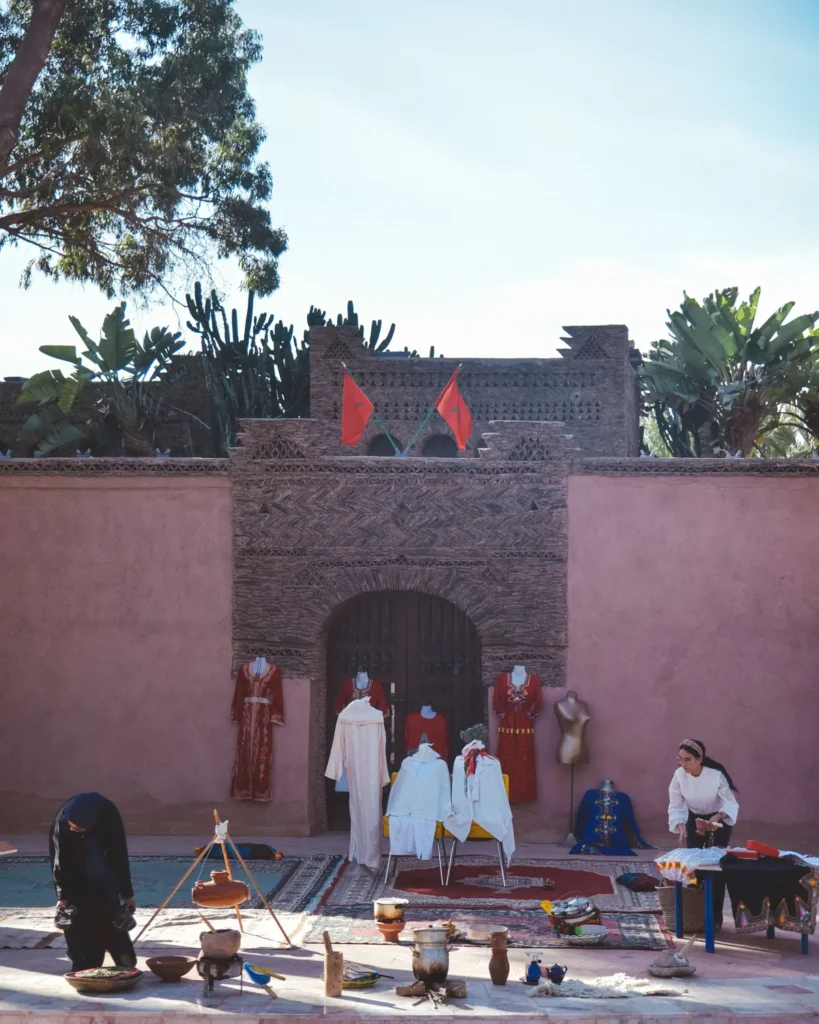
Its architecture recalls Moroccan medinas with its ochre-colored terracotta walls rising six meters high, adorned with 13 main gates that mark the entrances to this commercial labyrinth. This enclosure not only protects from outside eyes but also envelops a commercial effervescence that blends the scents of spices, the colors of fabrics, and the sounds of lively negotiations. Souk El Had is thus a true economic lung: it generates around 10,000 jobs, with many artisans and merchants practicing their craft in respect of Moroccan traditions.
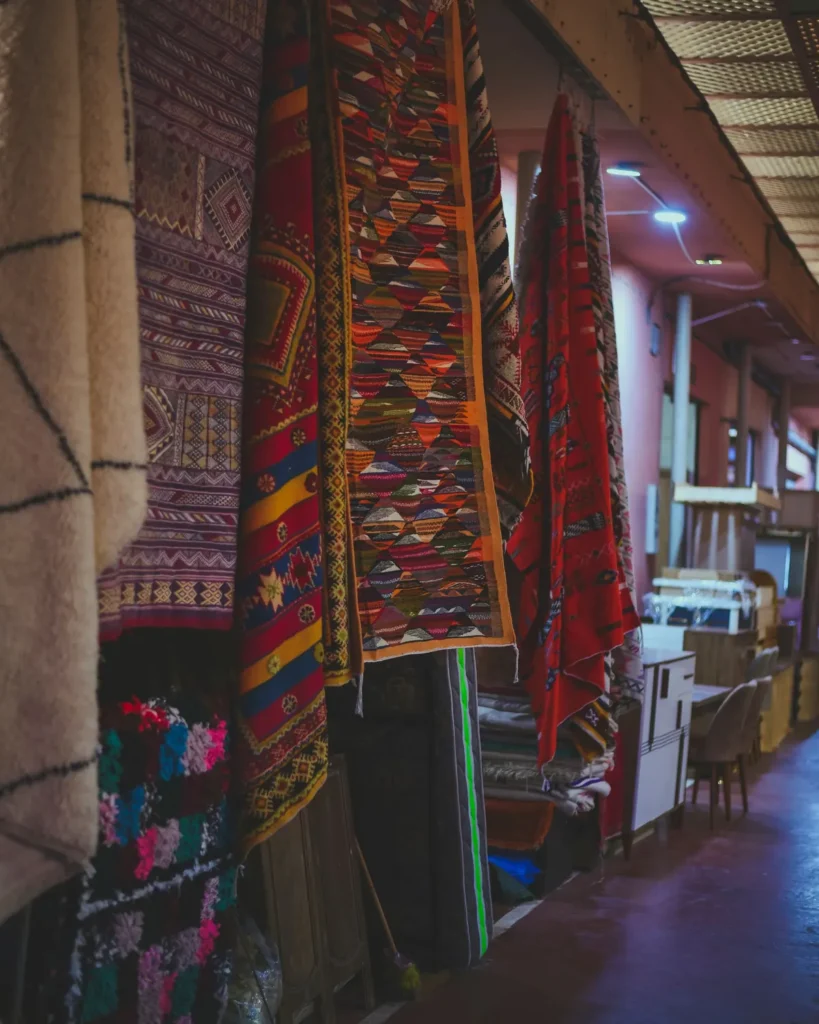
The organization of the souk is designed to meet the diverse needs of buyers, with specialized areas: one section dedicated to Berber crafts, where you can find carpets, pottery, and authentic jewelry; another for traditional clothing such as djellabas and babouches; not to mention the spices, fresh fruits, and vegetables that make up the local gastronomy. This mosaic of local products from Agadir attracts both locals and tourists, offering a complete and lively insight into Moroccan cultural richness.
Beyond the products, it is an immersion into a culture of respectful and friendly negotiation that awaits the visitor. Bargaining is an essential but non-aggressive step; it is an exchange that values human relationships as much as the final price. For those who wish to deepen their visit and better understand this iconic place, many online guides offer useful additional information, including this Agadir souk guide or this specific guide for visiting Souk El Had.
Organization and practical secrets to optimize your souk visit in 2026
To enjoy Souk El Had peacefully, it is essential to plan your visit well. The market is open from Tuesday to Sunday, from 9 AM to 9 PM, and is closed on Mondays for cleaning operations. The best time to visit is during the morning on weekdays when the crowd is less dense and you can stroll leisurely through the spacious aisles.
Since the souk is located in the city center of Agadir, access is very simple from most tourist areas. You can take a taxi, a city bus, or even walk there if you are staying nearby. Remember to bring small change for bargaining, as few merchants accept electronic payments.
Here are some tips to enhance your shopping experience in Agadir’s souk:
- Focus on authenticity: prefer local artisans who make their products on-site to ensure quality purchases.
- Dare to negotiate respectfully: start by offering half of the displayed price while keeping a smile, as this often leads to a good compromise.
- Don’t rush: exploring the souk takes time, so feel free to wander and discover the multiple worlds between the stalls.
- Visit the central mosque: it represents a spiritual stop in the hustle and bustle and is a perfect landmark to orient yourself in the maze.
- Participate in cultural workshops: weaving, pottery, or culinary tastings add an interactive touch to your visit.
To better visualize the organization of the souk, here is a schematic table of the main areas of interest:
| Area | Products | Characteristics | Tips |
|---|---|---|---|
| Berber Crafts | Carpets, pottery, jewelry | Stalls of artisans creating on-site | Prefer for authenticity and originality |
| Traditional Clothing | Djellabas, babouches, caftans | Diverse and varied items, quality may vary | Compare several shops before buying |
| Spices and Food | Ras el hanout, fruits, vegetables | Fresh and local products | Favor stalls displaying the origin |
| Souvenirs and Decorations | Leather goods, lamps, accessories | Often tourist-oriented | Bargain and check quality |
By following these steps and referring to specialized guides like the complete guide to Souk El Had in 2026, your visit will be both enjoyable and rich in discoveries.
In-depth discovery of Agadir craftsmanship within the souk
Moroccan craftsmanship is one of the major attractions of the Agadir souk. Within the market, artisans perpetuate ancestral know-how that has made the region famous. The variety and quality of the products available testify to the dynamism and cultural richness of the local area. You will find, in particular:
- Berber Carpets: each piece is unique, handwoven with symbolic patterns specific to Souss, the region of Agadir.
- Pottery and Ceramics: utilitarian or decorative objects with careful finishes, available in traditional patterns.
- Silver Jewelry: often adorned with semi-precious stones and made using the filigree technique.
- Textiles and Clothing: djellabas, caftans, as well as typical embroidered fabrics, both colorful and elegant.
- Leather Products: babouches, bags, or decorative items made in local tanneries.
It is important to approach these purchases with good knowledge and an open mindset. To ensure authentic products, prefer sellers who allow you to observe their manufacturing technique or who offer live workshops. This approach not only guarantees quality but also supports the local economy and artisans in southern Morocco.
The souk offers even more: you can experience a true cultural journey by participating in weaving demonstrations or pottery workshops. This adds a lively dimension to shopping, transforming a commercial transaction into a moment of exchange and discovery.
Safety tips and tricks for a comfortable visit to Souk El Had
Agadir is a city known for its safety; however, it is always recommended to adopt some good practices to fully enjoy your visit to the souk. The high foot traffic in the market can also lead to certain precautions:
- Keep an eye on your personal belongings as crowded places can attract pickpockets.
- Prefer to come in light but respectful clothing, with shoulders and knees covered, to blend better into the local atmosphere.
- Stay hydrated regularly as especially in summer, the climate in Agadir is hot and sunny.
- Be attentive during negotiations: avoid exposing large sums of money, and prefer limited cash payments.
- Wear comfortable shoes to navigate the long, sometimes paved, aisles of the market.
The souk is also an ideal place to taste local gastronomy. Don’t hesitate to ask merchants for recommendations to enjoy specialties like pastilla or tagine in the small restaurants nearby. Additionally, several guides and applications dedicated to Moroccan tourism offer valuable assistance in preparing your itinerary and stay in Agadir.
Souk El Had in the context of tourism in Agadir: cultural and economic experience
Beyond the market, Souk El Had is a true icon for tourism in Agadir. It attracts both shopping enthusiasts and lovers of Moroccan culture eager to experience local life. The blend of living traditions and structured economic projects makes the souk an important engine for the region.
The reconstruction after the 1960 earthquake gave birth to a market that is both vast and modern, with a strong symbolic status. The souk currently contributes to Agadir’s economy by providing around 10,000 jobs and generating a considerable volume of commercial activities. For visitors, it is also a window into the traditional practices and products that shape the region.
The importance of the souk therefore goes beyond mere commercial transactions: it is a vector of cultural sharing, offering workshops, tastings, and activities that enrich the tourist experience. Finally, this place remains an invitation to discover Agadir from an authentic angle, far from classic tourist clichés.
For a broader perspective on activities and local culture during your stay, you can consult reliable and detailed resources such as this expert article or the complete guide to visits in Agadir, which provide an extensive overview of must-sees and good deals for 2026.
What is the best time to visit Souk El Had in Agadir?
The market is open from Tuesday to Sunday, from 9 AM to 9 PM. The morning on weekdays is ideal to avoid the crowd and enjoy a more peaceful atmosphere.
What types of products can I buy at the souk?
You will find a wide selection of Berber crafts, traditional clothing, spices like ras el hanout, as well as fresh fruits and vegetables and local decorative items.
How do I get to the souk from downtown Agadir?
The souk is very central and accessible on foot from downtown, but also easily reachable by taxi or bus.
Is bargaining mandatory?
Yes, bargaining is an integral part of the souk experience, but it should be done with respect and good humor between visitors and merchants.
Is Souk El Had suitable for families?
Absolutely, the souk is a safe and interesting place for the whole family, with plenty of space to move around and cultural activities suitable for all.
If you are a business, restaurant, agency, or professional based in Agadir and wish to appear on our site, do not hesitate to contact us.