
At the heart of Agadir, the iconic market, Souk El Had, embodies more than just a commercial space: it represents a true immersion in local culture and Moroccan daily life. This labyrinthine hall, bustling with thousands of merchants and visitors, offers a concentration of traditions, craftsmanship, and flavors, faithfully reflecting the dynamism of Agadir. Discovering the Agadir market in 2026 means experiencing an authentic cultural journey, blending encounters, colors, and scents. In this comprehensive guide, we will assist you in preparing for your visit, detailing the hours, access, must-see activities, and precautions to take to fully enjoy this gem of tourism in Agadir.
Beyond mere exploration, this market invites you to dive into the world of traditional shopping, to find refined local products, and to understand the importance of this space for the community. From fresh fruits to intoxicating spices, traditional textiles to Moroccan handicrafts, each aisle reveals a part of Agadir’s history and know-how. This visitor guide also offers practical tips for navigating this large market stress-free, as well as suggestions for tasting the typical culinary specialties available on-site. Whether you are a novice or a regular at North African markets, discover how to turn your visit to Souk El Had into a memorable and authentic moment.
Hours and Organization of Souk El Had: Optimize Your Visit to the Agadir Market
The Souk El Had in Agadir is open from Tuesday to Sunday, from 09:00 to 21:00, and closed on Monday. This weekly rhythm is punctuated by special hours during Ramadan and religious holidays, a time when the market becomes even more vibrant and often offers specific products for ceremonies. In your preparations for 2026, it will be useful to check for any adjustments in opening hours to not miss these unique moments.
The market covers a vast area with over 3,000 stalls spread across different thematic sections. For example, gates 9 and 10 are ideal for accessing handicrafts and souvenirs, while gates 1, 2, and 3 primarily group traditional and modern clothing. Jewelry is also concentrated around gates 9, 10, and sometimes 5. An important tip is to photograph the number of the gate you enter, as Souk El Had, with its multiple aisles, can quickly confuse unprepared visitors.
For an optimal visit, it is advisable to plan between 1.5 to 3 hours depending on your exploration desires and shopping plans. The morning is particularly recommended for a calmer atmosphere and to discover fresh products available from opening, while the evening extends the experience in a more lively and friendly ambiance. Sunday, a very busy day, offers a vibrant spectacle of local activity with attendance reaching up to 80,000 visitors, especially during weekends and holidays.
In terms of access, you can easily reach Souk El Had via various modes of transport in Agadir. Taxis remain the preferred choice for more flexibility, but regular buses also serve the Amsernat neighborhood where the market is located. Arriving by car is possible, with parking nearby, although often quickly filled during the high tourist season.
Traditional Shopping: How to Find the Best Local Products at the Agadir Market
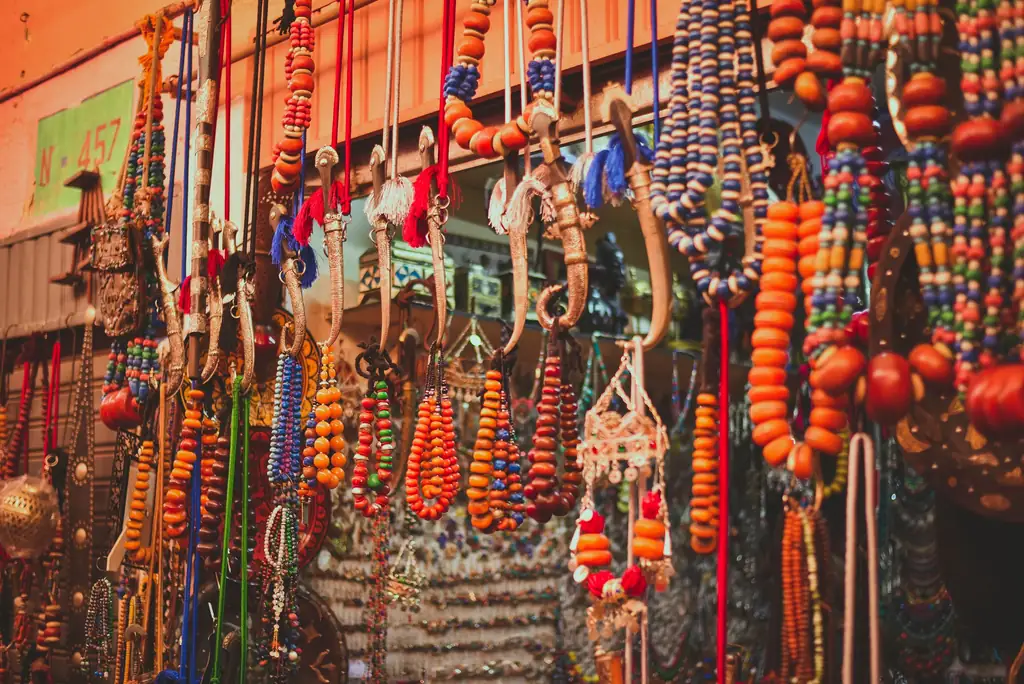
The Souk El Had is a true temple of traditional shopping where Moroccan craftsmanship reigns. You will discover a vast array of goods, from handwoven Berber rugs to glazed pottery, including copper items, leather goods, and textiles with traditional patterns. Paying attention to quality is essential, especially for argan products, which are highly sought after. Don’t hesitate to ask about the origin of the items, as recognized cooperatives often guarantee better authenticity.
The beauty stalls also offer cosmetic products made from argan oil, as well as typical perfumes. Jewelry and accessories made of silver or copper make for beautiful gift ideas. For spices, the market is filled with powerful blends that add unforgettable flavor to Moroccan cuisine. Fresh fruits and vegetables complete this offer, sampled by the locals of Agadir for their remarkable quality.
Negotiation is naturally part of the shopping experience at Souk El Had. It always takes place in a friendly spirit: the first price offered is never final. Engage in conversation with a smile, compare several sellers, and propose a price around half of the initial price without ever losing respect for the artisan’s work. This interaction helps to weave a human connection, amplifying the authenticity of your visit.
- Amazigh craftsmanship: rugs, pottery, traditional jewelry.
- Leather goods: quality leather bags, shoes, and belts.
- Beauty products: argan oil, natural soaps, perfumes.
- Spices and local products: saffron, cumin, honey.
- Textiles and clothing: djellabas, caftans, colorful scarves.
- Unique souvenirs: decorative items and handmade creations.
For a complete discovery of the market and its offerings, you can find detailed advice by consulting dedicated guides, such as this complete guide to Souk El Had or a guide for an unforgettable visit in 2026.
Atmosphere and Culture: The Immersive Experience at the Heart of the Agadir Market
The Agadir market is not limited to commerce: it is a true living space where local culture shines. As soon as you cross its gates, you are plunged into a colorful and sensory atmosphere. The mix of spice aromas, traditional music sometimes escaping from the alleys, and the friendly sharing of meals like the collective tagine of the merchants at lunchtime enhance this unique experience.
The Souk El Had regularly comes alive with cultural events, featuring traditional music and dance performances, which punctuate the year and illustrate the market’s central role in Agadir tourism. This dynamic also allows for extending the visit to nearby museums and memorial sites dedicated to the reconstruction of Agadir after the 1960 earthquake. Thus, visiting the market becomes a dive into the history and heritage of the city.
This cultural abundance also contributes to the richness of the market during major religious holidays, where the excitement reaches its peak. As the various Aïd approaches, the aisles fill with families preparing for the celebrations, investing in stands of pastries, new clothes, dried fruits, and utensils. Observing this collective ritual deeply enriches your discovery of Moroccan society.
It is important to respect local practices, especially by always asking for permission before photographing artisans or their works. This courtesy will allow you to establish authentic exchanges and receive a warm welcome.
Practical Tips for Visiting the Agadir Market with Peace of Mind
To ensure your visit to the Agadir market is fully successful, a few recommendations are in order. First, always plan to have cash for purchases, even though some stalls accept electronic payment, cash usage remains largely dominant and appreciated.
Organize your route: start with a quick scouting of the different sections (handicrafts, clothing, fresh products) before starting your shopping. This method allows you to compare items and prices to make an informed choice. Avoid the Friday noon prayer time as some merchants temporarily close, which could limit your experience.
Safety in the market is assured, but it is advisable to remain vigilant regarding your personal belongings, especially in very crowded areas. A zipped bag kept close to you will help avoid many inconveniences. By adopting a smiling and respectful attitude, you will create a pleasant atmosphere with the merchants, who are often proud to share their craft.
Here is a summary table to better prepare for your visit to the market in 2026:
| Aspect | Recommendations |
|---|---|
| Opening Hours | Tue.–Sun. 09:00–21:00, closed Monday |
| Best Time | Early morning or late afternoon to avoid crowds and heat |
| Access Methods | Taxi, bus, car with nearby parking |
| Budget | Prefer cash, negotiate tactfully and respectfully |
| Precautions | Protect personal belongings, ask for permission for photos |
To enhance your stay and organize your meals in Agadir, also discover the best restaurants in Agadir that showcase local cuisine, perfectly complementing a day at the market.
The Must-Have Souvenirs to Bring Back from the Agadir Market
The Souk El Had is an inexhaustible source of gifts and typical souvenirs that delight visitors returning from Morocco. Among the standout items to bring back are undoubtedly the argan oil products, globally recognized for their cosmetic and culinary virtues. Several stalls offer authentic argan oil sourced from local cooperatives, ensuring quality and freshness.
Berber rugs, true handcrafted works of art, also constitute a sustainable investment. Their richness of patterns and colors reflects Amazigh identity and will be a valuable addition to your interior decor. However, be sure to check the provenance by asking the sellers for explanations, as authenticity is paramount over mass commercialization.
Other popular souvenirs include finely crafted copper items, colorful glazed pottery, traditional jewelry, and local perfumes. For foodies, precious spices like saffron, or honey pastries offered on-site, are delightful discoveries to savor at home.
- Cosmetic and culinary argan oil
- Handwoven Berber rugs
- Engraved copper and glazed pottery
- Traditional Amazigh jewelry
- Spice blends and aromatic herbs
- Natural beauty products and handmade soaps
To prepare for your purchases and learn more about these exceptional souvenirs, you can consult resources like this guide to souvenirs to bring back from Agadir which details each category and its specifics.
What are the opening hours of Souk El Had in Agadir?
The market is open from Tuesday to Sunday from 09:00 to 21:00 and closed on Monday. Special hours apply during Ramadan and other religious holidays.
How to easily get to the Agadir market?
You can access it by taxi, bus, or car. Souk El Had is located in the Amsernat neighborhood, with nearby parking, although often limited during peak times.
What are the best gates to visit Souk El Had?
For handicrafts and souvenirs, prioritize gates 9 and 10. Clothing is mostly found at gates 1, 2, and 3. Jewelry is concentrated around gates 5, 9, and 10.
Can prices be negotiated in the Agadir market?
Yes, negotiation is a tradition in Moroccan souks. It is advisable to approach the discussion with kindness and humor; often the initial price is negotiable downwards, sometimes by half.
What souvenirs to bring back from the market?
Authentic argan oil, Berber rugs, Amazigh jewelry, crafted copper items, spices, and natural products make excellent souvenirs representing local craftsmanship.
If you are a business, restaurant, agency, or professional based in Agadir and wish to appear on our site, feel free to contact us.